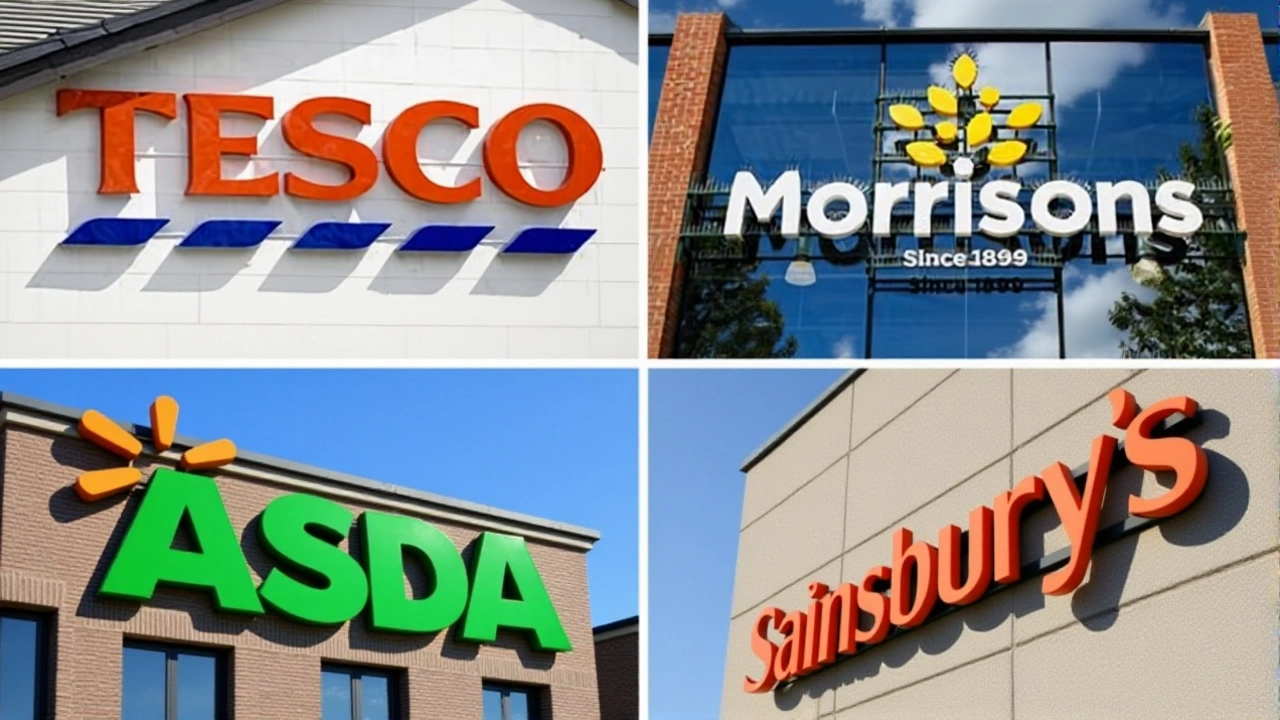
Four of the UK’s biggest supermarkets—Asda, Sainsbury's, Tesco, and Morrisons—are urgently recalling products this week over dangerous labeling errors that could land people in hospital. The recalls, revealed by consumer watchdog Which? on November 27, 2025, span everything from duck spring rolls to breaded fillets, and the common thread? Hidden allergens and fake expiration dates. It’s not just a paperwork glitch. It’s a public health alarm bell.
Asda’s Dangerous Date Mix-Up
The latest and most alarming recall came from Asda: 10 Mini Duck Spring Rolls with Hoisin Dip, incorrectly stamped with a use-by date of December 29, 2025. The real date? November 29, 2025. That’s a full month of dangerous overestimation. Consumers who bought these thinking they had weeks left could be eating spoiled, potentially bacteria-laden food. Which? warned that consuming the product after the correct date would make it unsafe—no ifs, ands, or buts. The batch was sold nationwide, meaning thousands may have already opened and eaten them. No illnesses have been reported yet, but health officials are on high alert.
Mustard, Milk, and Gluten: The Hidden Killers
Then there’s the allergen crisis. On November 24, 2025, Tesco recalled 300g Celery, Fruit and Nut Salad because it contained undeclared mustard. Mustard allergies can trigger anaphylaxis—rapid, life-threatening swelling. The salad, sold between July and October 2025, could still be lurking in fridges.
Earlier, on November 12, Sainsbury's pulled its JS Free From Breaded Mini Fillets because they contained milk—despite being labeled “free from.” That’s not just a mistake. For someone with a severe milk allergy, it’s a death sentence waiting in the freezer aisle. The fillets had best-before dates between November 15 and 20, 2025. Sainsbury’s confirmed two active recalls: these fillets and another product, “This™ Isn’t Chicken Deli Pieces,” though details on the latter remain sparse.
Tesco isn’t done. Back in October 2025, they recalled Tesco Free From Breadcrumbs due to undeclared wheat. Again, the product was marketed as gluten-free. For the 600,000 people in the UK with coeliac disease, that’s catastrophic. One bite can trigger intestinal damage, chronic pain, and long-term health complications.
Morrisons’ Quiet but Serious Recall
Morrisons, headquartered in Bradford, quietly issued a recall on September 18, 2025, for Jolly Hog products containing undeclared milk. The use-by date? September 28, 2025. That’s over two months ago. Yet, the company still lists it as active on their recall page. Why? Because some of these products may still be in circulation—bought in bulk, stored in pantries, forgotten. Morrisons insists no other products are affected and urges customers to return them for a full refund, no receipt needed. They apologized. They assured. But the fact that a recall from September is still active speaks volumes about how fragmented the system is.
Why This Is Bigger Than One Bad Batch
These aren’t isolated incidents. They’re symptoms of a broken system. The UK’s food labeling laws are clear: allergens must be declared. Expiration dates must be accurate. But with pressure on margins, rushed production lines, and outsourced packaging, corners get cut. And it’s consumers—not corporations—who pay the price.
Which? has been tracking this trend for years. Their November 27 report notes a 37% year-over-year increase in allergen-related recalls across major UK retailers since 2023. In 2024 alone, 142 food safety alerts were issued by the Food Standards Agency. This year? Already at 168. And it’s not just allergens. Misdated products like Asda’s spring rolls are rising too, particularly in chilled and frozen ready meals—a category that’s exploded since the pandemic.
What You Should Do Right Now
If you bought any of these products, don’t eat them. Return them. No receipt? No problem. Morrisons, Sainsbury’s, and Tesco all say refunds are guaranteed without proof of purchase. Check your freezer. Look at the packaging. Compare the product name and batch code to the official recall lists on each retailer’s website.
And if you have a food allergy? Be extra vigilant. Just because a product says “free from” doesn’t mean it is. Always read the ingredient list—even if you’ve bought it before. Labels change. Suppliers change. Mistakes happen.
What’s Next?
The Food Standards Agency is launching an investigation into the supply chains behind these recalls. Retailers are being asked to submit internal audits by December 15. Experts are calling for mandatory digital traceability—QR codes on packaging that link directly to batch-specific safety data. Some retailers are already testing this. But it’s slow. And expensive.
Meanwhile, the public is losing trust. A YouGov poll from November 25 found that 68% of UK consumers now doubt the accuracy of “free from” labels. That’s not just a marketing problem. It’s a crisis of confidence in the entire food system.
Frequently Asked Questions
How can I check if I’ve bought a recalled product?
Visit the official recall pages of Asda, Sainsbury’s, Tesco, or Morrisons directly. Each lists exact product names, batch codes, and best-before/use-by dates. You can also search by barcode using the Food Standards Agency’s online recall tool. Don’t rely on memory—check your packaging. Even products bought months ago could still be in your pantry.
What should I do if I’ve already eaten one of these products?
If you ate an expired product like Asda’s spring rolls and feel unwell—nausea, vomiting, fever—seek medical help immediately. For allergen exposure, watch for swelling, difficulty breathing, or hives. If you have an epinephrine auto-injector, use it. Call 999. Even if you feel fine, notify your GP if you have a known allergy. Delayed reactions can occur up to 48 hours later.
Why are these errors happening so often?
The answer lies in supply chain complexity. Many of these products are made by third-party manufacturers who handle labeling. Packaging errors, batch mislabeling, and last-minute ingredient swaps are common. Retailers often don’t test every batch. With rising costs and slim margins, quality control is being squeezed. The system relies on trust—and right now, that trust is breaking.
Are any of these products still on shelves?
Retailers say all affected batches have been removed. But with millions of units sold and some products dating back to September, it’s possible some slipped through. That’s why they’re urging customers to check their own homes. Morrisons, for example, still lists its September recall as active because of lingering stock in smaller stores and independent distributors.
Can I get compensation if I got sick from one of these products?
Yes. If you suffered harm due to a recalled product, you may be eligible for compensation through the retailer’s liability insurance. Document everything: medical reports, receipts, product packaging. Contact the retailer’s customer service team and request a claims form. Legal aid groups like Citizens Advice can help navigate the process. Many cases settle quickly if evidence is clear.
What’s being done to prevent this from happening again?
The Food Standards Agency is pushing for mandatory digital labeling by 2026, where QR codes link to real-time batch data. Some supermarkets, including Tesco, are piloting blockchain tracking for high-risk items. But change is slow. Consumer pressure is the fastest driver. Calling out mislabeled products on social media, filing formal complaints, and supporting Which?’s advocacy work all help force accountability.